
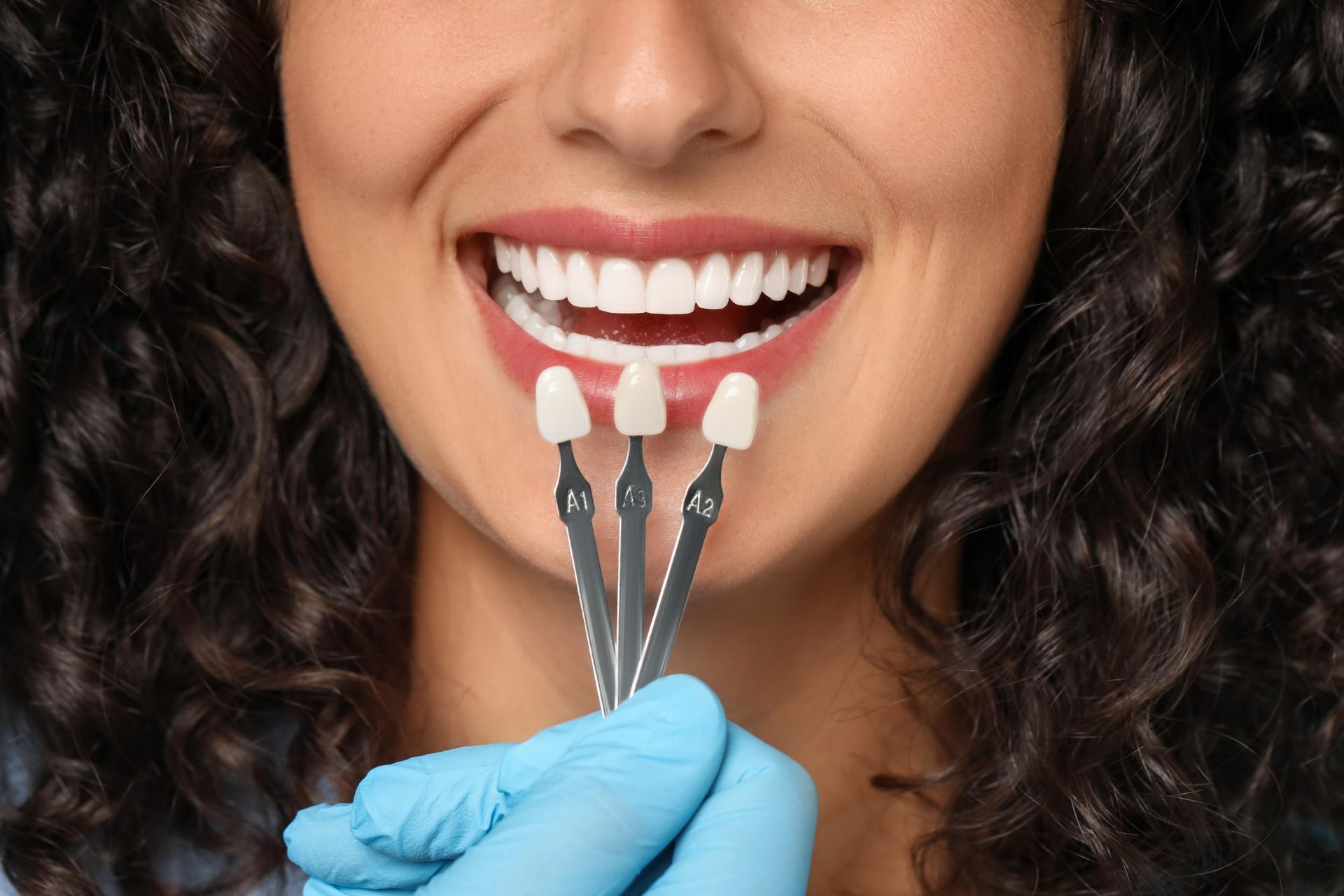
Introduction to Dental Cleanings at Audubon Dental
Dental cleanings at Audubon Dental in Thibodaux, LA are clinical preventive procedures designed to remove accumulated plaque, calculus (tartar), and surface stains from the teeth and gumline. These cleanings are performed in a controlled dental setting where oral health is assessed alongside the mechanical removal of deposits that cannot be eliminated through routine brushing and flossing alone.
A standard cleaning appointment is typically part of ongoing dental maintenance and is scheduled based on the condition of the patient’s oral tissues, prior dental history, and observed buildup of plaque or tartar. At Audubon Dental, cleanings are structured to include both the physical debridement of the teeth and a systematic review of the oral cavity.
Dental cleanings in Thibodaux, LA also serve as a documented record of oral health progression, allowing for comparison over time during subsequent visits.
What Happens During a Dental Cleaning
A dental cleaning appointment at Audubon Dental follows a structured clinical sequence to ensure all tooth surfaces and surrounding gum structures are thoroughly evaluated and treated.
The appointment generally begins with an examination of the teeth and gums to identify visible plaque accumulation, tartar deposits, and areas of inflammation. This assessment helps determine whether a standard cleaning or a more advanced periodontal procedure is required.
Tooth Surface Examination
During this stage, each tooth surface is inspected for hardened deposits and areas where plaque has accumulated near or below the gumline. Special dental instruments are used to detect irregularities along enamel surfaces.
Oral Rinse and Preparation
A pre-cleaning rinse may be used to help clear debris and allow better visibility of oral structures. This step supports a more precise cleaning process.
Scaling Procedures
Scaling involves the removal of hardened tartar deposits using manual scalers or ultrasonic instruments. These tools are designed to break down mineralized buildup without damaging tooth enamel.
Polishing Process
After scaling, the teeth are polished using a low-speed handpiece and a mildly abrasive paste. This step smooths the tooth surface and removes residual staining from the enamel.
Scaling and Plaque Removal Procedures
At Audubon Dental
in Thibodaux, LA, scaling is a primary component of dental cleanings and is performed with precision instruments designed for both supragingival and subgingival cleaning.
Supragingival Scaling
Supragingival scaling targets plaque and tartar above the gumline. This is typically visible buildup that forms from food particles, bacteria, and mineral deposits over time.
Subgingival Scaling
Subgingival scaling involves cleaning beneath the gumline where bacteria can accumulate in periodontal pockets. This area requires careful instrumentation due to the sensitivity of surrounding gum tissue.
Instrumentation Techniques
Both ultrasonic devices and hand scalers may be used depending on the location and severity of buildup. Ultrasonic instruments use vibration and water irrigation to loosen deposits, while hand scalers provide controlled manual removal.
This phase of dental cleaning is essential for maintaining periodontal stability and preventing progression of gum-related conditions.
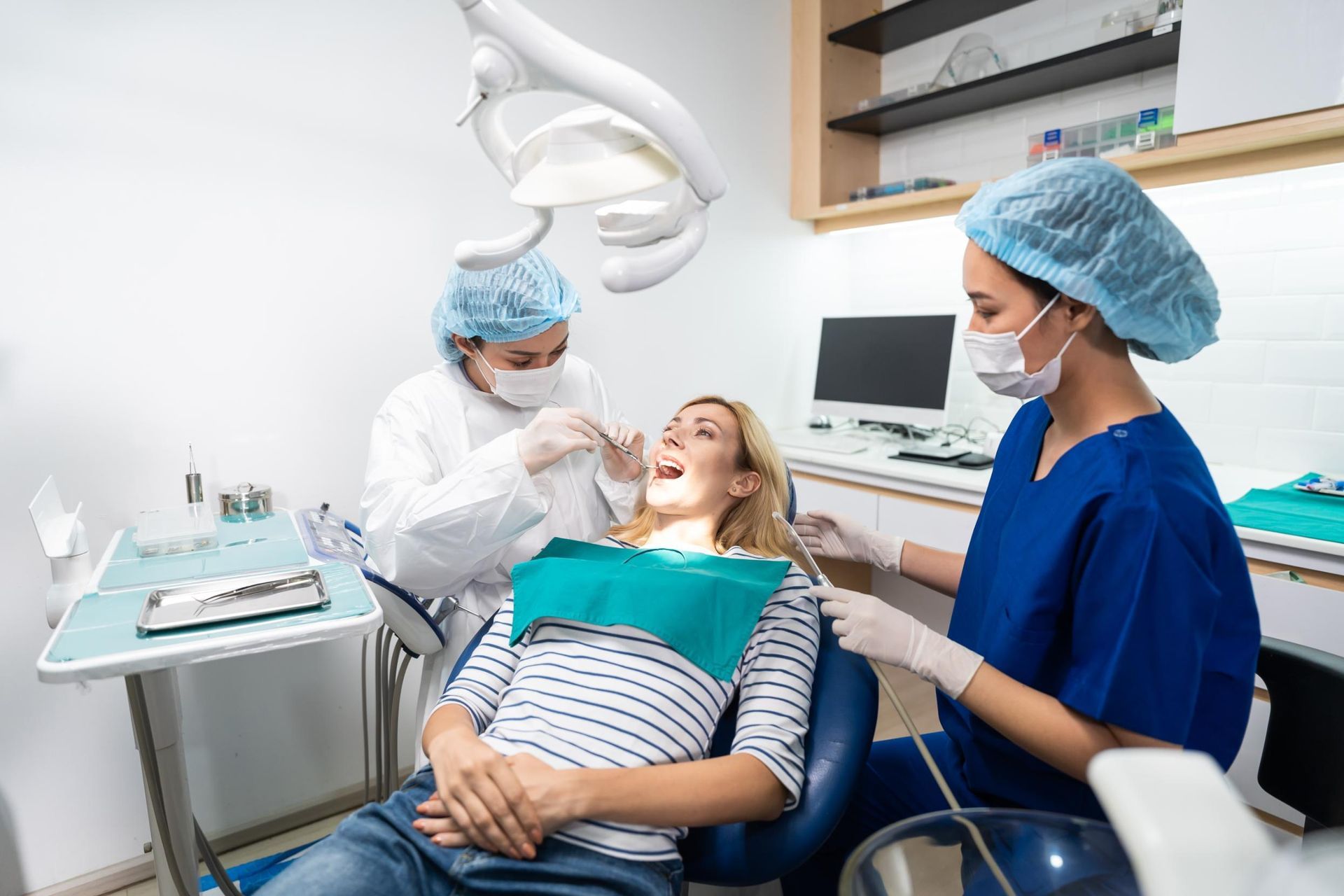
Periodontal Assessment and Gum Health Evaluation
Each dental cleaning at Audubon Dental
includes a periodontal evaluation to assess the condition of the gums and supporting structures of the teeth.
Gum Measurement Assessment
A periodontal probe is used to measure the depth of the spaces between the teeth and gums. These measurements help identify areas where gum attachment may be reduced.
Tissue Condition Review
The gum tissue is evaluated for signs of inflammation, bleeding, or recession. These observations help determine whether standard cleaning procedures are sufficient or if additional periodontal care is necessary.
Bone and Support Structure Consideration
While dental cleanings primarily address soft tissue and surface deposits, the evaluation process also considers the long-term stability of the bone structures supporting the teeth.
This assessment is a standard part of dental cleaning visits in Thibodaux, LA and helps maintain accurate clinical records over time.
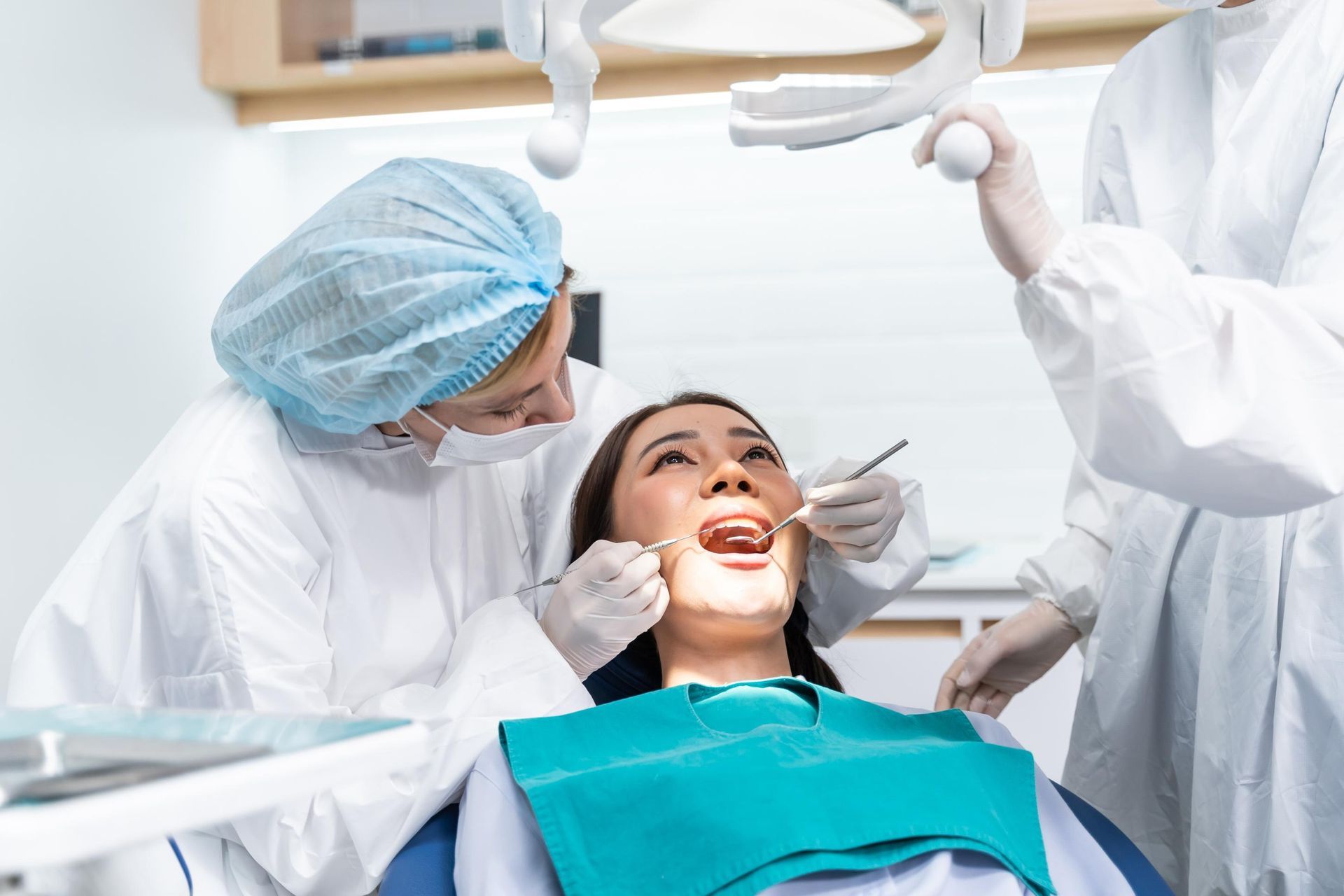
Recommended Frequency and Maintenance Schedule
The frequency of dental cleanings at Audubon Dental
in Thibodaux, LA varies depending on oral health status and the rate of plaque accumulation observed during previous visits.
Routine Cleaning Intervals
For patients with stable oral conditions, cleanings are often scheduled at regular intervals to manage ongoing plaque formation and maintain oral hygiene consistency.
Periodontal Maintenance Considerations
Patients with a history of gum disease may require more frequent cleanings to manage bacterial buildup and monitor periodontal stability.
Monitoring Changes Over Time
Each cleaning appointment contributes to a longitudinal record of oral health, allowing for comparison of gum condition, plaque levels, and enamel integrity across multiple visits.
Post-Cleaning Care and Oral Hygiene Guidance
After a dental cleaning at
Audubon Dental, patients in Thibodaux, LA may experience temporary sensitivity in the gums or teeth due to the removal of plaque and tartar deposits.
Immediate Post-Cleaning Sensations
It is common for teeth to feel smoother and for gums to be slightly sensitive following scaling and polishing procedures. These sensations typically subside within a short period.
At-Home Oral Hygiene Practices
Maintaining cleaned tooth surfaces involves routine brushing and flossing techniques that help reduce plaque reformation. These practices are especially important immediately following a professional cleaning.
Monitoring Gum Response
Following the procedure, the condition of the gums may continue to be observed during future visits to ensure stability and proper healing of any previously inflamed areas.
Dental cleanings in Thibodaux, LA at Audubon Dental are structured to maintain detailed clinical records, support ongoing oral evaluations, and ensure consistent monitoring of both teeth and gum health over time.