Introduction to Tooth Extractions at Audubon Dental
Tooth extractions at Audubon Dental in Thibodaux, LA are clinical procedures used to remove teeth that cannot be preserved due to extensive decay, structural damage, infection, or periodontal disease. The goal of an extraction is to eliminate the source of oral pathology while maintaining the health of surrounding teeth and tissues.
An extraction may be classified as simple or surgical depending on the position of the tooth, root structure, and level of impaction or damage. The decision to proceed with removal is made after a detailed evaluation of the tooth’s condition and its role within the overall dental arch.
Extractions in Thibodaux, LA are performed when restorative treatment is no longer sufficient to maintain function or prevent further oral complications.
Diagnostic Evaluation Before Tooth Removal
Before an extraction is performed at
Audubon Dental, a comprehensive diagnostic process is completed to assess the tooth and surrounding structures.
Clinical Examination of the Tooth
The affected tooth is examined for structural integrity, mobility, fracture lines, and visible decay. The surrounding gum tissue is also assessed for signs of infection or inflammation.
Radiographic Assessment
Dental X-rays are used to evaluate root shape, bone support, and proximity to anatomical structures such as nerves or sinuses. This imaging helps determine whether a simple or surgical extraction is required.
Treatment Feasibility Analysis
The condition of the tooth is compared against potential restorative options. When restoration is not viable, extraction is selected as the appropriate treatment approach.
This evaluation process ensures that extractions in Thibodaux, LA are planned based on precise clinical and radiographic information.
Simple Tooth Extraction Procedure
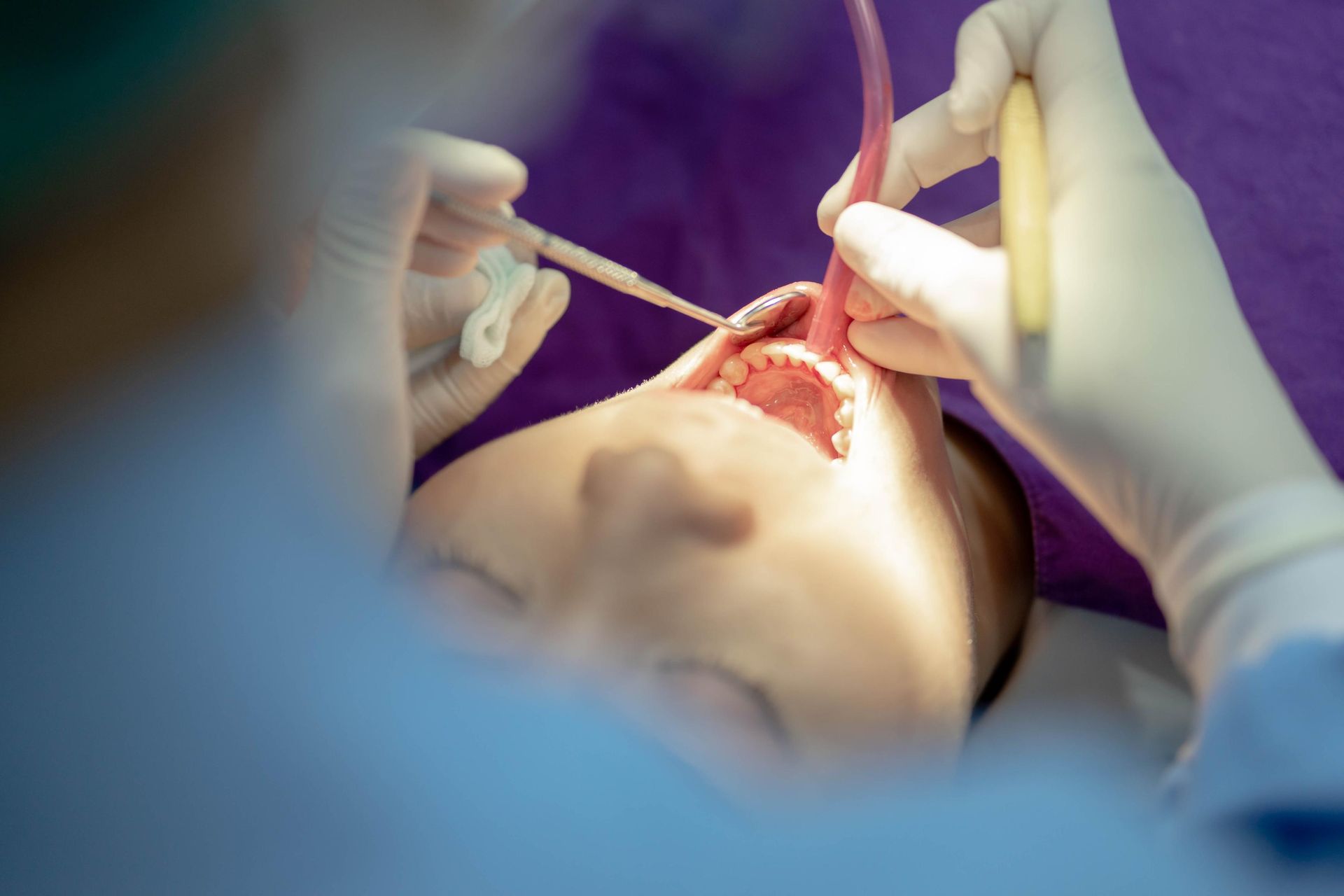
A simple extraction is performed on teeth that are visible in the mouth and have relatively straightforward root structures.
Tooth Loosening Process
Specialized dental instruments are used to gently loosen the tooth by widening the surrounding ligament space that holds the tooth in place.
Controlled Tooth Removal
Once loosened, the tooth is carefully removed from its socket using forceps designed for controlled extraction with minimal disruption to surrounding tissues.
Socket Cleaning and Evaluation
After removal, the socket is examined and cleaned to ensure that no remaining fragments or debris are present.
Simple extractions in Thibodaux, LA are typically performed on teeth with accessible positioning and minimal root complexity.
Surgical Extraction Procedure
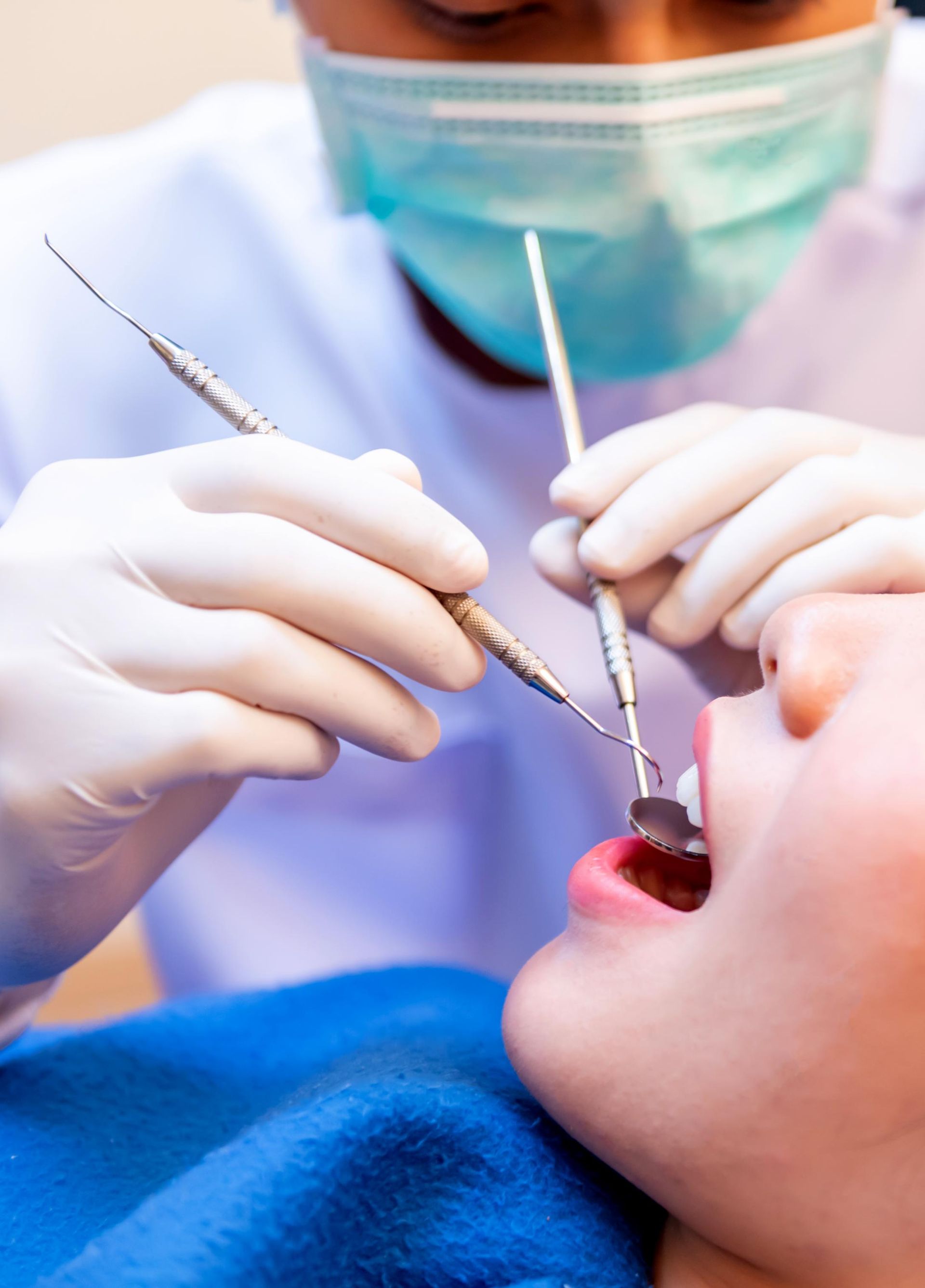
Surgical extractions are required for teeth that are not fully accessible or have complex root structures.
Accessing the Tooth Structure
An incision may be made in the gum tissue to expose the underlying tooth or bone when direct access is not available.
Tooth Sectioning Technique
In some cases, the tooth may be divided into smaller sections to allow for easier removal and reduced impact on surrounding bone.
Removal of Embedded Tooth Structures
The tooth or its segments are carefully removed from the bone while preserving surrounding anatomical structures.
Surgical extractions in Thibodaux, LA are used for impacted teeth, broken teeth at the gumline, or teeth with curved or multiple roots.
Post-Extraction Healing and Tissue Response
After a tooth extraction at
Audubon Dental, the surrounding tissues undergo a natural healing process that restores gum and bone integrity over time.
Blood Clot Formation
A blood clot forms within the extraction site, serving as a protective layer for underlying bone and tissue during the initial healing phase.
Soft Tissue Healing
The gum tissue gradually begins to close over the extraction site as healing progresses. This process helps restore the natural contour of the gumline.
Bone Remodeling Process
Over time, the underlying bone structure adapts and remodels in response to the absence of the tooth root.
Healing after extractions in Thibodaux, LA is closely monitored when necessary to ensure proper recovery of oral tissues.
Replacement Options After Extractions
Following tooth removal, replacement options may be considered to restore oral function and maintain alignment of surrounding teeth.
Space Maintenance Considerations
The absence of a tooth can affect the positioning of adjacent teeth over time. Replacement options help maintain alignment and spacing.
Functional Restoration Planning
Tooth replacement may be considered to restore chewing function and bite balance within the dental arch.
Long-Term Structural Stability
Replacement options contribute to maintaining bone structure and preventing shifting of remaining teeth.
While not part of the extraction procedure itself, post-extraction planning is an important aspect of care in Thibodaux, LA.
Follow-Up Care and Monitoring After Extraction
After an extraction at
Audubon Dental, follow-up care is used to monitor healing and ensure that the site is recovering properly.
Healing Progress Evaluation
The extraction site is checked to confirm that tissue healing is progressing without signs of complications.
Infection Monitoring
The area is evaluated for any signs of infection or delayed healing during the recovery period.
Tissue Stability Review
The gum and bone structure are assessed over time to ensure proper restoration of oral health in the treated area.
Extractions in Thibodaux, LA are followed by structured monitoring to support proper tissue recovery and long-term oral stability.